Mobile clinics, 1,500 tents and a village declared free of hunger
- Published
- Reading time
- 1 min
- Written by
- MRN
- Filed under
- Relief
The operation began on the fourth day after the 25 April earthquake, before any organisation existed to run it. Most of the people who would later form the board were already in Nepal.
The first published summary of the work, dated 7 May 2015, is four lines long. It is reproduced here because it is the earliest evidence of the method the organisation used for the next eight years: state what was done, in numbers, and let people check.
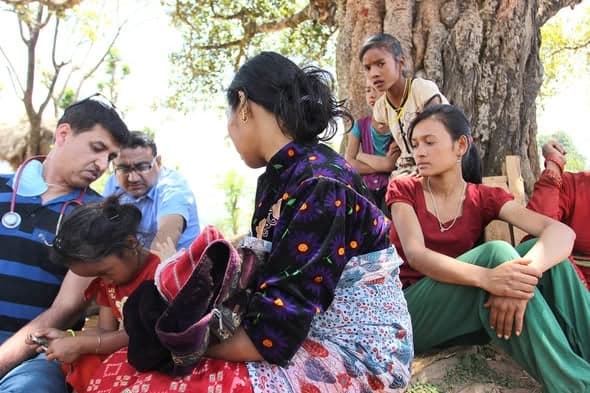
- Mobile medical camps set up in Sindhupalchowk, treating 250 patients
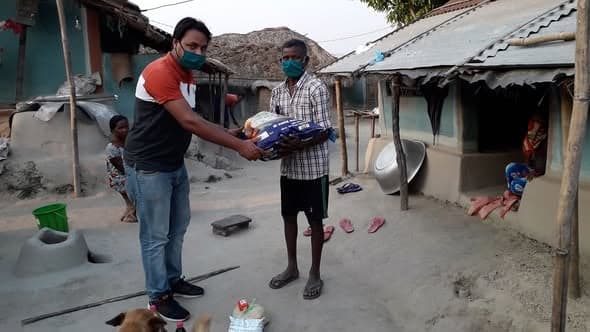
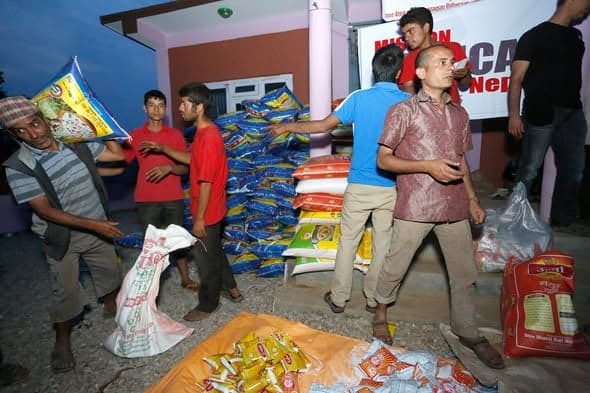
- Food distributed to 6,100 individuals across four village development committees in Sindhupalchowk and Dhading districts, enough for one month
- 1,500 tents distributed
- Sipapokhare declared a no hunger zone after relief packages reached 100 per cent of its population
The doctors involved had arrived independently and converged. Dr Baroon Rai, an intensive care physician in California, took unpaid leave from his ICU, raised about $20,000 from his own hospital along with supplies, and got on a plane. Dr Sandesh Pandit, an orthopaedic and sports surgeon from Oregon, flew out with supplies worth about $30,000. He and Dr Rai met Dr Madan Uprety in transit, and the three of them planned the operation in the air.
Sipapokhare, in Sindhupalchowk, was where the relief operation concentrated. Almost every house in the VDC had been destroyed. It became the site of the rebuilding programme that ran until 2017.